

According to official statistics released on Wednesday, British inflation dropped from 3.6% in October to 3.2% in November, the lowest level since March, much more dramatically than anticipated. This confirmed market predictions that the Bank of England will lower interest rates on Thursday.
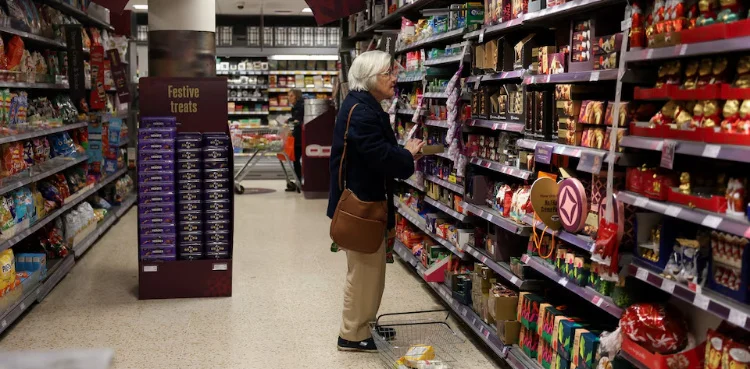
According to the Office for National Statistics, the drop in inflation was caused by decreases in the price of cakes, biscuits, cereals, and confections as well as a less significant influence from tobacco prices and Black Friday sales on women’s clothing. The data undercut the BoE’s own prediction of a decline to 3.4% and fell short of all projections in a Reuters survey of analysts, which had indicated a decline to 3.5%.
As interest rate futures priced in nearly a 100% chance of a quarter-point rate cut on Thursday and a higher probability of multiple rate cuts in 2026, sterling fell more than half a cent versus the US dollar following the data release.
Although markets had priced in a more than 90% likelihood that the BoE would lower rates by a quarter point to 3.75% on Thursday, many economists saw the decision as well-balanced and continued to believe that the BoE was reaching the end of its cycle of rate cuts. According to Rob Wood, chief UK economist at Pantheon Macroeconomics, “an MPC interest rate cut tomorrow is beyond doubt now that inflation surprised to the downside.
Also Read: