
According to Farhan Badami, Business Development Manager at eToro, the nation has gradually transitioned from an oil-dependent economy to a diversified global hub, with non-oil businesses now accounting for a sizable share of GDP. Driven by both oil and non-oil activities, the UAE Central Bank projects real GDP growth of approximately 5.3% in 2026, up from approximately 4.9% in 2025.
There is little and controlled inflation. The central bank anticipates inflation of roughly 1.8% in 2026, which offers policymakers leeway to boost growth. Headline inflation decreased to approximately 0.7% in mid-2025.
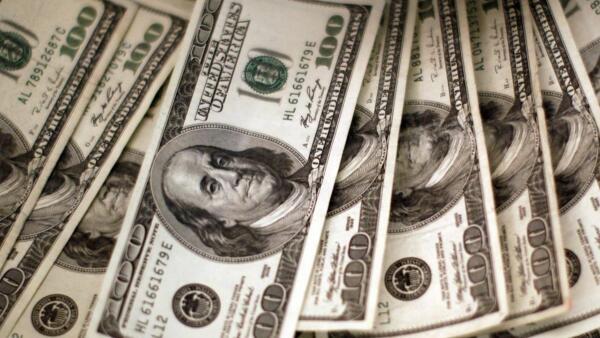
Given the dirham’s peg to the US dollar, the central bank primarily follows the US Federal Reserve, and in the latter part of 2025, rate reductions across the region will follow the Fed. Even though those cuts would halt in early 2026, markets still anticipate two more Fed cuts, which the UAE might follow.
Banks remain well-capitalized, with low non-performing loan ratios, and credit growth has been strong, with loans rising by double digits year over year in 2025. Particularly in Dubai, where transportation and storage are among the biggest and fastest-growing industries, tourism, aviation, and logistics remain important growth drivers.
Also Read:
Hilton-branded homes in the United Arab Emirates are signed by Prestige One Developments
SIBF 2025 Reveals the Schedule of Workshops Led by International Specialis