

There are two opposing narratives regarding the global oil market entering 2026: a structural supply issue that could cause turbulence later in the decade and a short-term excess that promises lower prices. Due to a continuous excess of more than two million barrels per day (mbpd), Oxford Economics predicts that Brent crude will end 2026 at about $58 per barrel and ease to $55 in 2027, significantly below mainstream predictions.
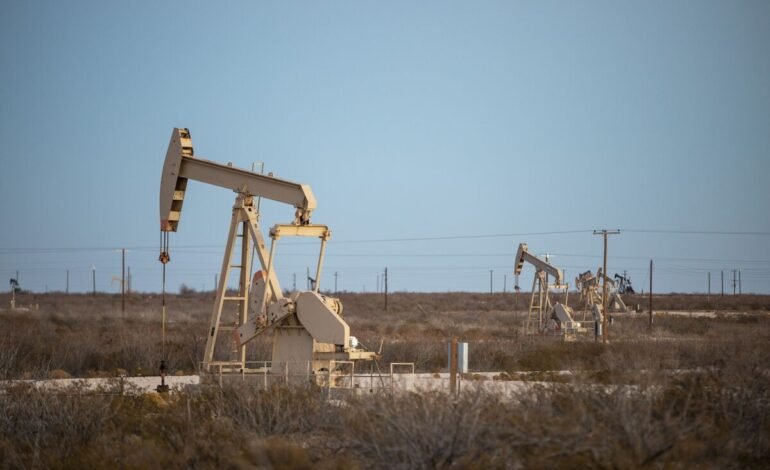
This abundance results from robust supply growth, which is expected to reach 1.6 mbpd next year, raising global output to about 106 mbpd, while demand increases more slowly to 104 mbpd. Stronger-than-anticipated US shale resilience and a quicker ramp-up of Brazilian projects are reflected in the supply upgrade. Productivity improvements and longer laterals are enabling U.S. output to increase by roughly 400,000 barrels per day despite declining rig counts and West Texas Intermediate (WTI) prices projected below $55.
With Brazil and Guyana contributing approximately 1.6 million bpd between 2025 and 2026, Latin America remains a major supplier. In the second half of 2026, OPEC plans to progressively reverse production cuts and inject almost 1 mbpd, mostly from Saudi Arabia and the United Arab Emirates.
Also Read:
Hilton-branded homes in the United Arab Emirates are signed by Prestige One Developments