
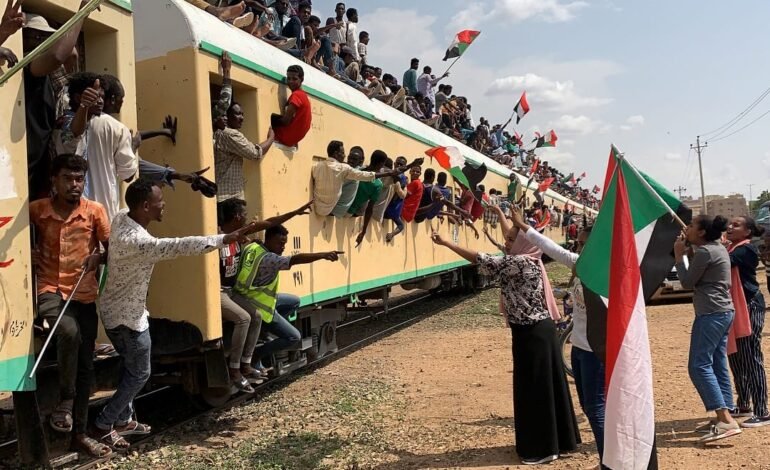
Sudan’s economy is facing severe strain after years of conflict, driven by widespread destruction, heavy military spending, and falling revenues from oil and gold, according to Finance Minister Gibril Ibrahim. Speaking nearly three years into the war between the army and rival paramilitary forces, Ibrahim said the country is going through “very difficult times.”
In an interview, the army aligned minister said the government is exploring agreements linked to Red Sea ports and private sector investment to help rebuild damaged infrastructure. Although Sudan’s prime minister recently announced the government’s official return to Khartoum after the capital was recaptured last year, several ministries, including finance, have yet to fully resume operations there.
Ibrahim, a former rebel leader who now serves in uniform, said Sudan lost almost all state revenue at the start of the conflict when the Rapid Support Forces seized Khartoum and surrounding areas. He explained that the capital and its centre once generated around 80 per cent of government income, as most industries, large companies, and economic activity were based there. Ibrahim’s Justice and Equality Movement previously fought against Khartoum’s government but is now aligned with the army as part of the Joint Forces coalition.
Also Read:
SIBF 2025 Reveals the Schedule of Workshops Led by International Specialis