
Emirati women’s participation in science is now measured not only by their presence in classrooms or laboratories, but also by their ability to advance in their scientific careers, lead research, build scientific teams, and contribute to the development of technologies and solutions that have a societal impact.
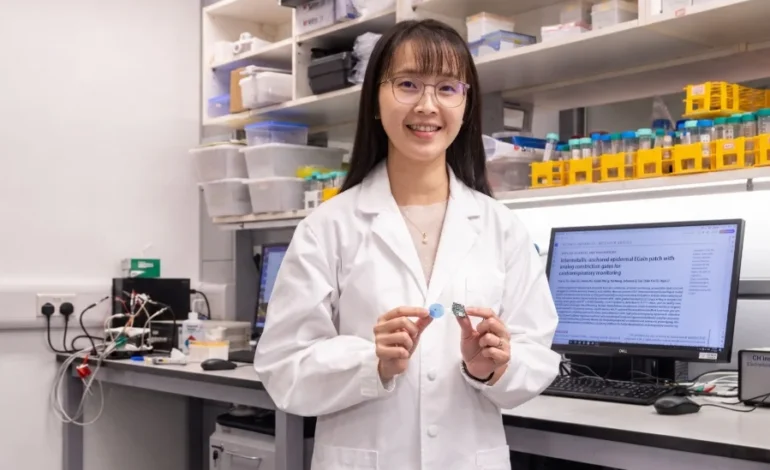
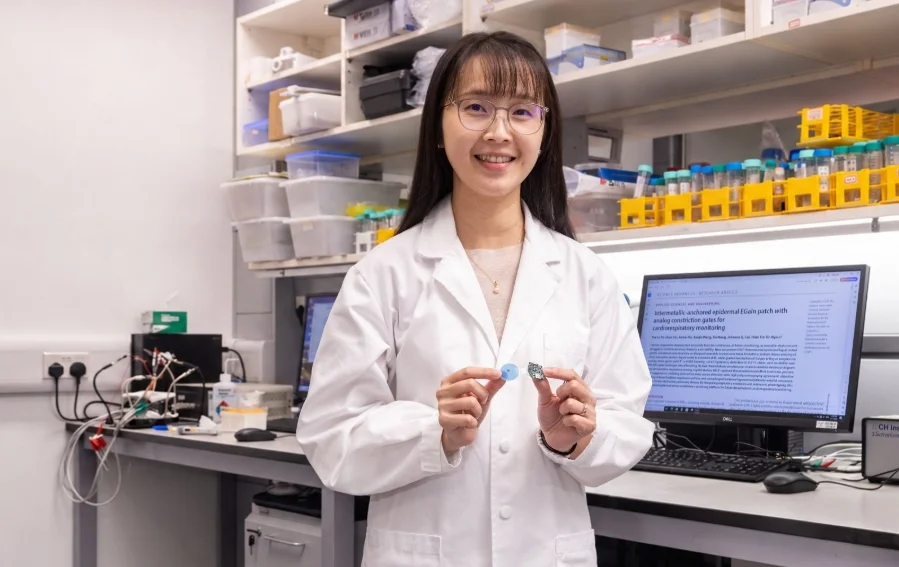
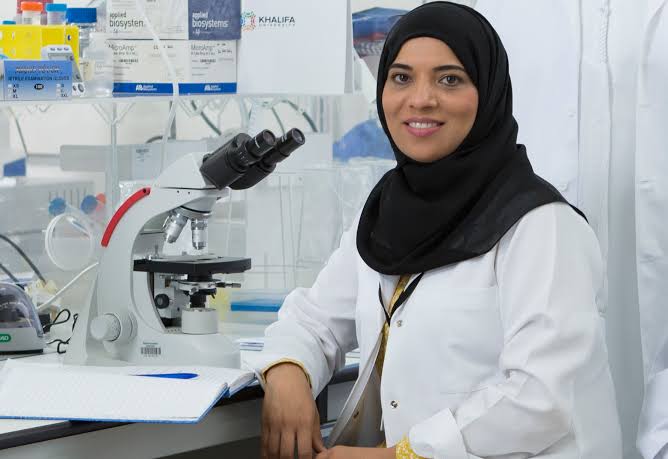
In this regard, Al Khaleej spoke with Dr. Halima Al Naqbi, an assistant professor in the Department of Biomedical Engineering and Biotechnology at the College of Medicine and Health Sciences at Khalifa University of Science and Technology.
Al Naqbi began her university career as a biomedical engineering student, then pursued doctoral studies and postdoctoral research before becoming a faculty member leading research projects in some of medicine’s most advanced disciplines.
Her current research interests include cancer and precision medicine, as well as genomics, immunogenetics, digital health, and artificial intelligence. However, for her, these sectors are not distinct routes, but rather various instruments for answering the same question: How can we use big data and technology to extract knowledge that drives prevention efforts, supports medical decisions, and helps to creating the future of health?
Also Read:
Trump Claims That Until No Iranian Leader Remains to Declare, We surrender, The War Will Go On