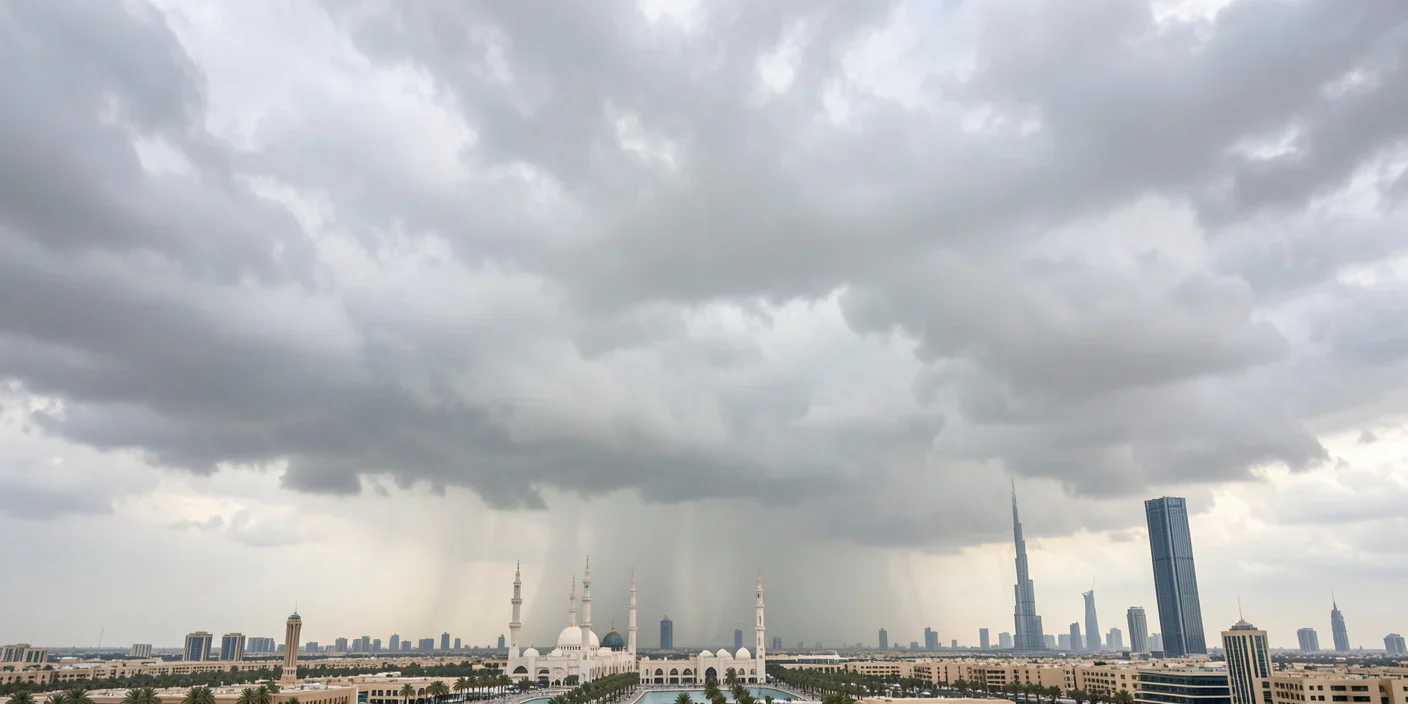


On Saturday, the National Capital Region (NCR) was engulfed in a dense layer of smog, which caused the air quality to drop dangerously and raised grave health concerns. Delhi’s overall Air Quality Index (AQI) was 387, placing it firmly in the “very poor” category and indicating serious health hazards, especially for children, the elderly, and people with respiratory conditions.
The city’s AQI on Tuesday was 282, classified as “poor,” and on Wednesday it was 259. After that, pollution levels rapidly deteriorated, reaching 307 on Thursday and 349 on Friday before approaching the “severe” threshold. Static breezes, vehicle emissions, industrial activity, and seasonal factors—such as burning crop residue in neighboring states—have all been blamed by environmental specialists for the deteriorating circumstances.
Hazardous air quality is currently a problem in several areas of the National Capital Territory. Up to eighteen localities had an AQI above 400, which put them in the “severe” category, according to official data. With an AQI of 443, Wazirpur was the most severely affected location, closely followed by Jahangirpuri at 439 and Vivek Vihar at 437. Ashok Vihar, Rohini, and Anand Vihar (434 each) are further highly contaminated areas.
Also Read:
Empowering Traders Globally Through Education and Expertise: Md Golam Rabbani
Syed Mohammed Abdullah: The Quiet Force Behind a Global Migration Legacy