

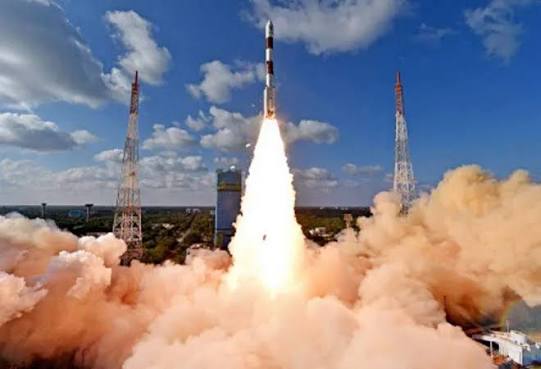
India’s space program has been one of the nation’s biggest technological accomplishments for many years. India has repeatedly shown that ambitious space exploration does not require massive funds, from landing close to the south pole of the Moon to reaching Mars. The nation has developed cutting-edge capabilities, trained generations of experts, and gained international acclaim for effectively completing challenging tasks thanks to consistent investment in science and engineering.
With the swift expansion of its private space industry, India is now embarking on a new phase. The successful orbital launch of Vikram-1 by Skyroot Aerospace was a significant milestone. Mission Aagaman, the country’s first orbital mission, successfully launched its cargo into low-Earth orbit on its first try, proving that India’s private sector can turn the technological base built by the Indian Space Research Organization (ISRO) into a commercial competence.
The accomplishment is more significant than a single rocket’s success. It highlights India’s shift from a government-run space program to a more expansive ecosystem where researchers, entrepreneurs, private businesses, government institutions, and foreign partners support growth and innovation.
Also Read:
Sophie Vancaeneghem On Customer Experience And Hospitality Industry Trends