

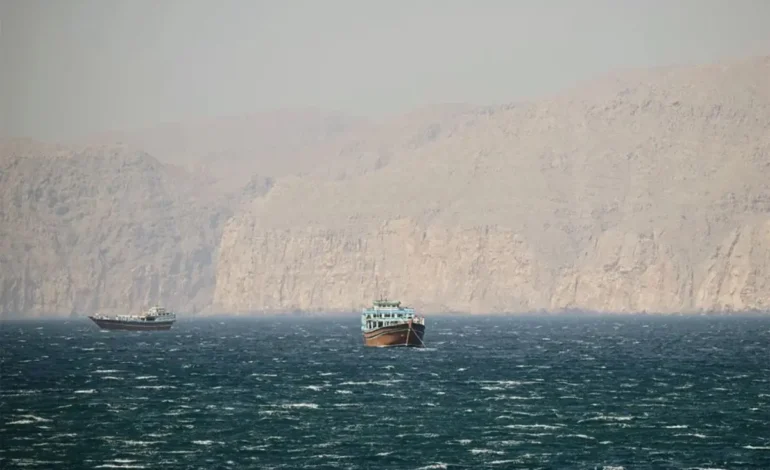
The worldwide discourse surrounding the Strait of Hormuz has naturally focused on oil prices and geopolitical brinkmanship. Brent crude has risen above $127 per barrel. Major shipping companies have ceased operations. Defense analysts continue to argue naval lanes and mine-clearing schedules. All of this matters. However, it obscures a slower, quieter catastrophe that was well underway in countries far from the Gulf, in places where families were skipping meals long before a single missile was launched.
The closure of the Strait of Hormuz is more than just an energy shock. Maximo Torero, the FAO’s Chief Economist, has warned that it is “a systemic shock affecting food systems globally.” Every day, about 20 million barrels of oil flow through the Strait, along with approximately one-fifth of the world’s liquefied natural gas and up to 30% of all internationally traded fertiliser. When the Strait closes, it boosts not only fuel prices but also the cost of manufacturing and purchasing food.
The countries currently suffering the brunt of the crisis had limited room to absorb it. Consider the Philippines, which imports 98% of its oil from the Middle East. On March 24, President Ferdinand Marcos Jr. issued an executive order proclaiming a national energy emergency in response to the Hormuz disruption.
Also Read:
Nearly 100,000 Reserve Soldiers are Called up by Israel for The Iran Operation
Trump Claims That Until No Iranian Leader Remains to Declare, We surrender, The War Will Go On