
UAE Exits Opec: Why Oil Markets Responded, and What Comes Next

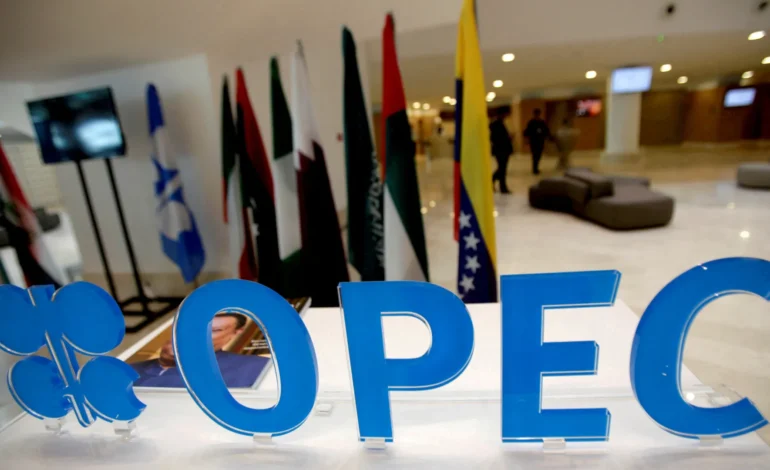
The instant market reaction to the UAE’s exit from the Opec coalition reveals two opposing forces: geopolitical tightening today and supply uncertainty tomorrow.Brent crude prices soared beyond $111 per barrel, aided mostly by the Hormuz situation and Iran confrontation. However, traders cautioned that eliminating a key spare-capacity contributor from coordinated supply management could undermine future price discipline. Prices could fall unless demand growth jumps quickly.
The long-term implications are psychological as well as physical. OPEC’s ability to shape expectations has generally been reliant on spare capacity discipline. Losing a large contributor reduces the signalling power.
However, markets are unlikely to experience an immediate glut. Hormuz difficulties continue to limit flows, and global inventories remain under pressure following months of geopolitical upheaval.
Instead, traders are likely to see the move as the beginning of a more flexible supply period, in which prominent producers increasingly balance collaboration with independent strategy. In such context, price volatility may rise, but so will the relevance of countries like the UAE, which can quickly send additional barrels to market when problems arise.
Also Read:
The Most Costly Bodybuilding Competition in the World will be Held in Dubai
Indian Prime Minister Modi Begins Historic Visits to Poland and Ukraine